
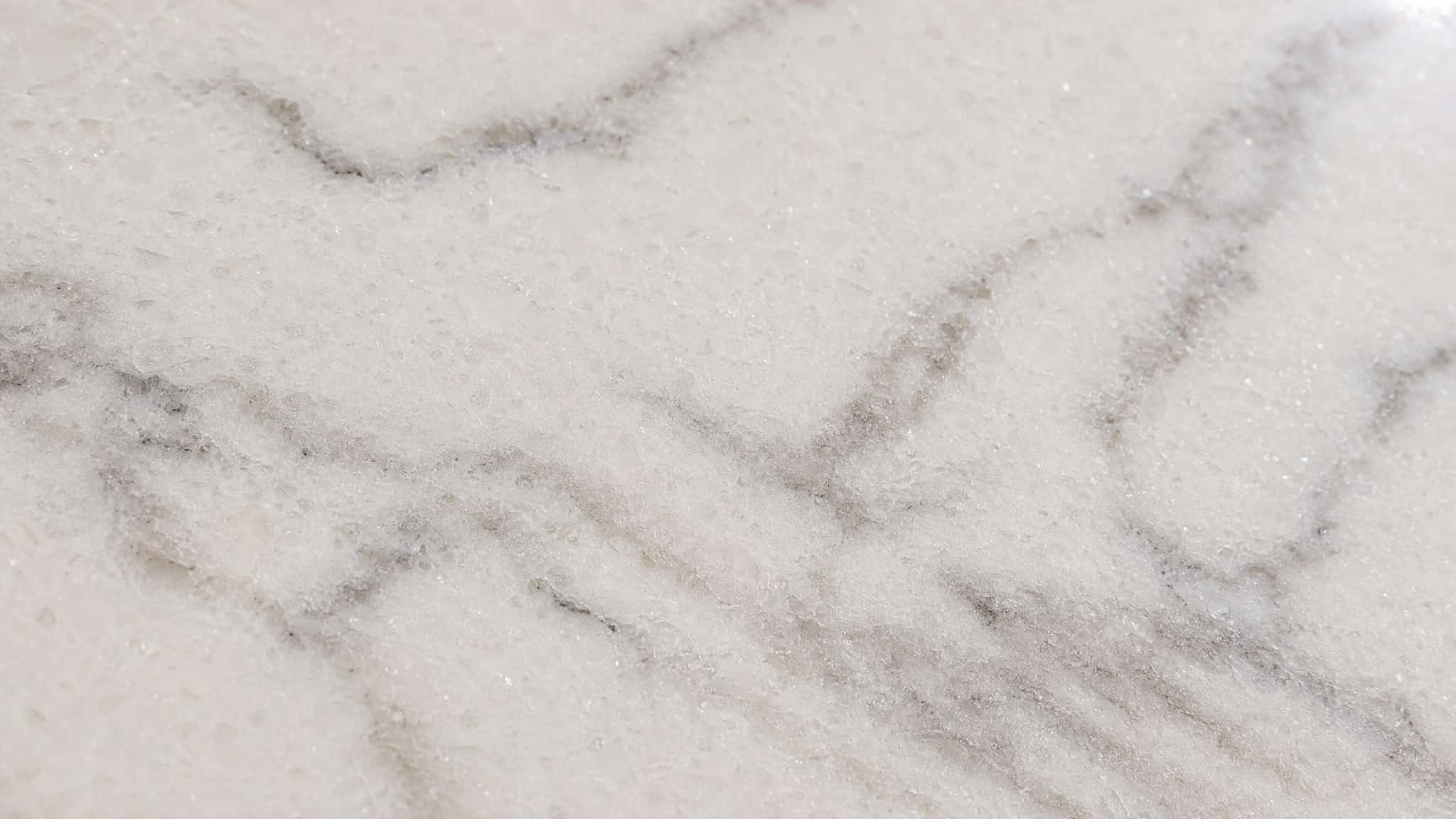
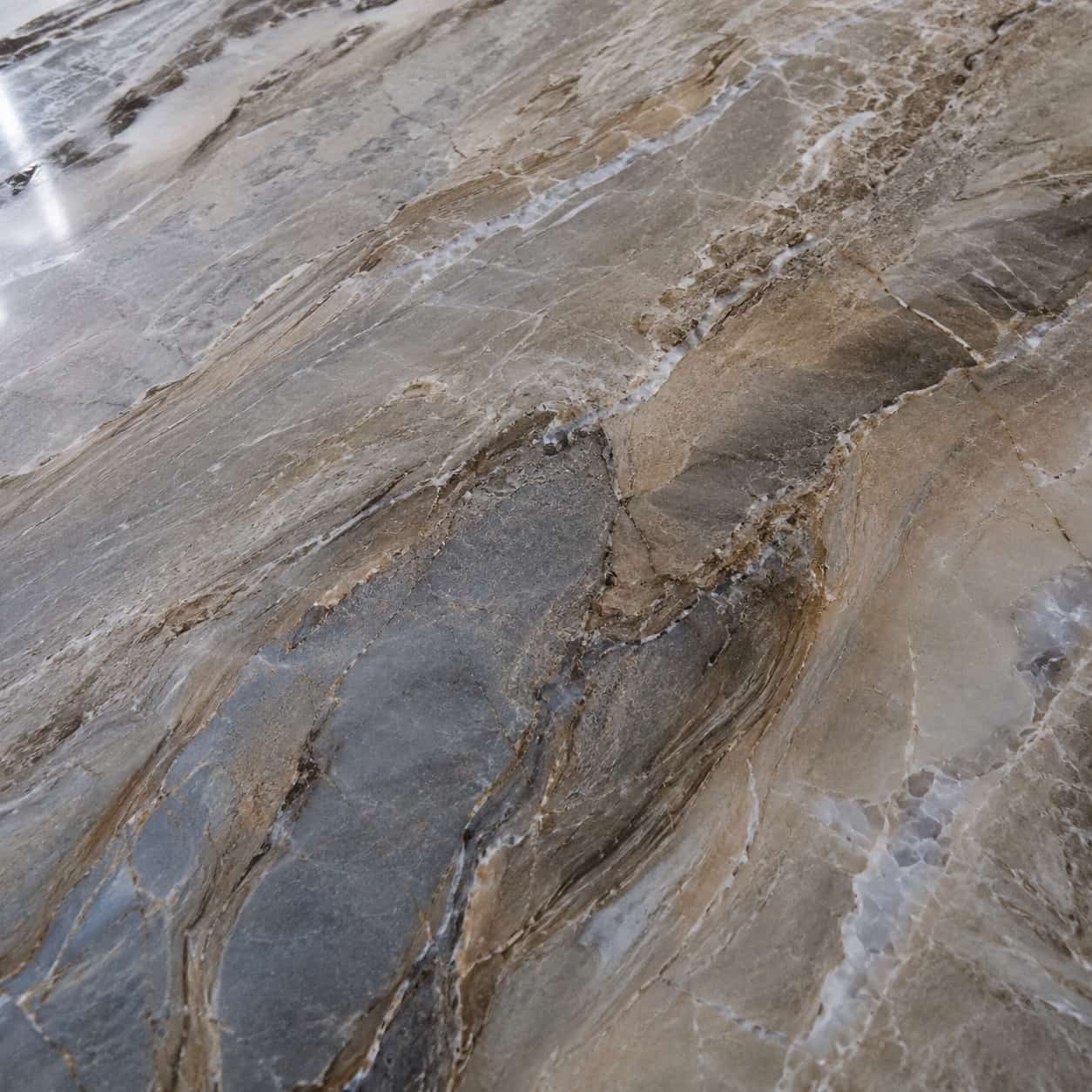
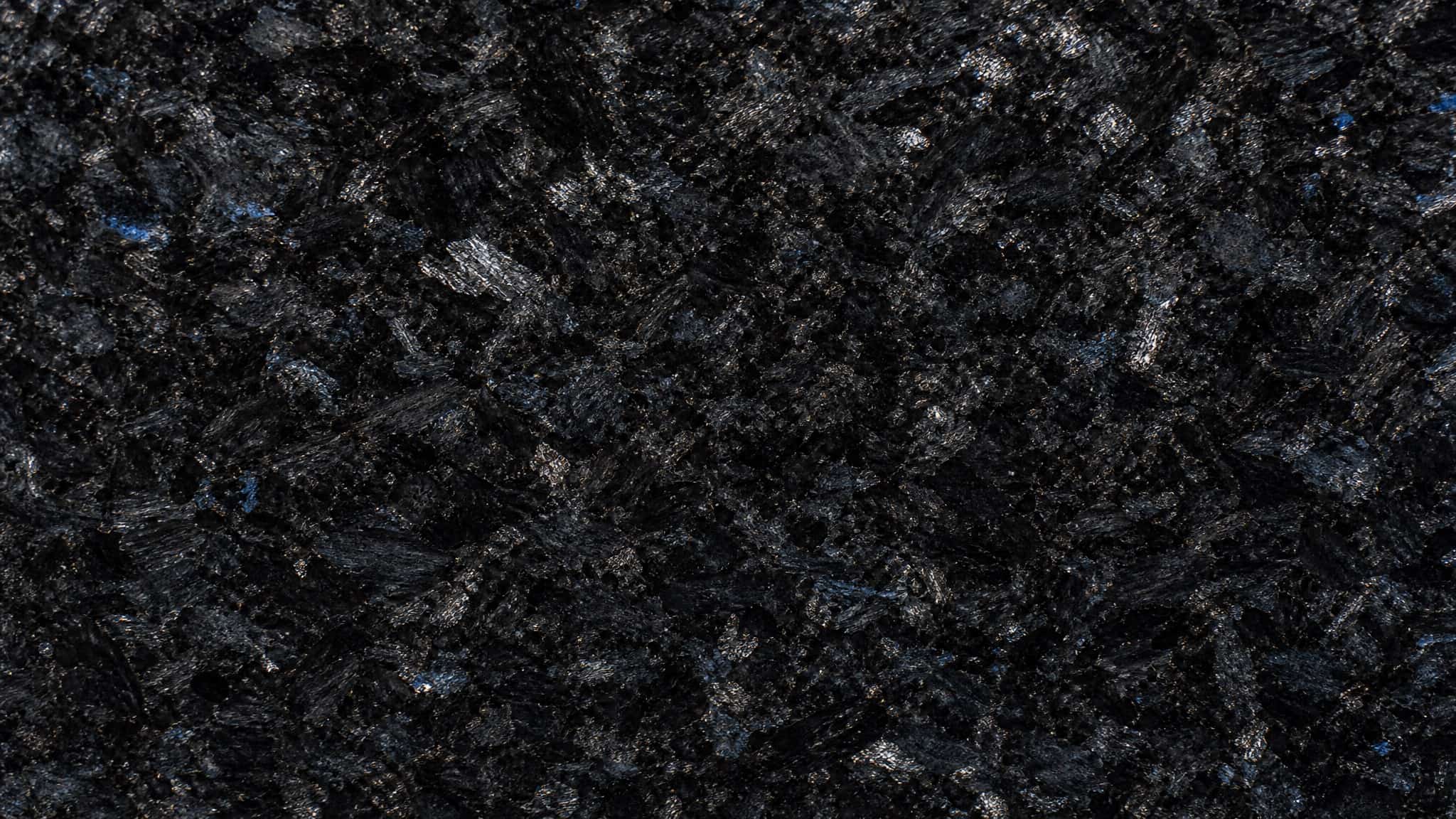
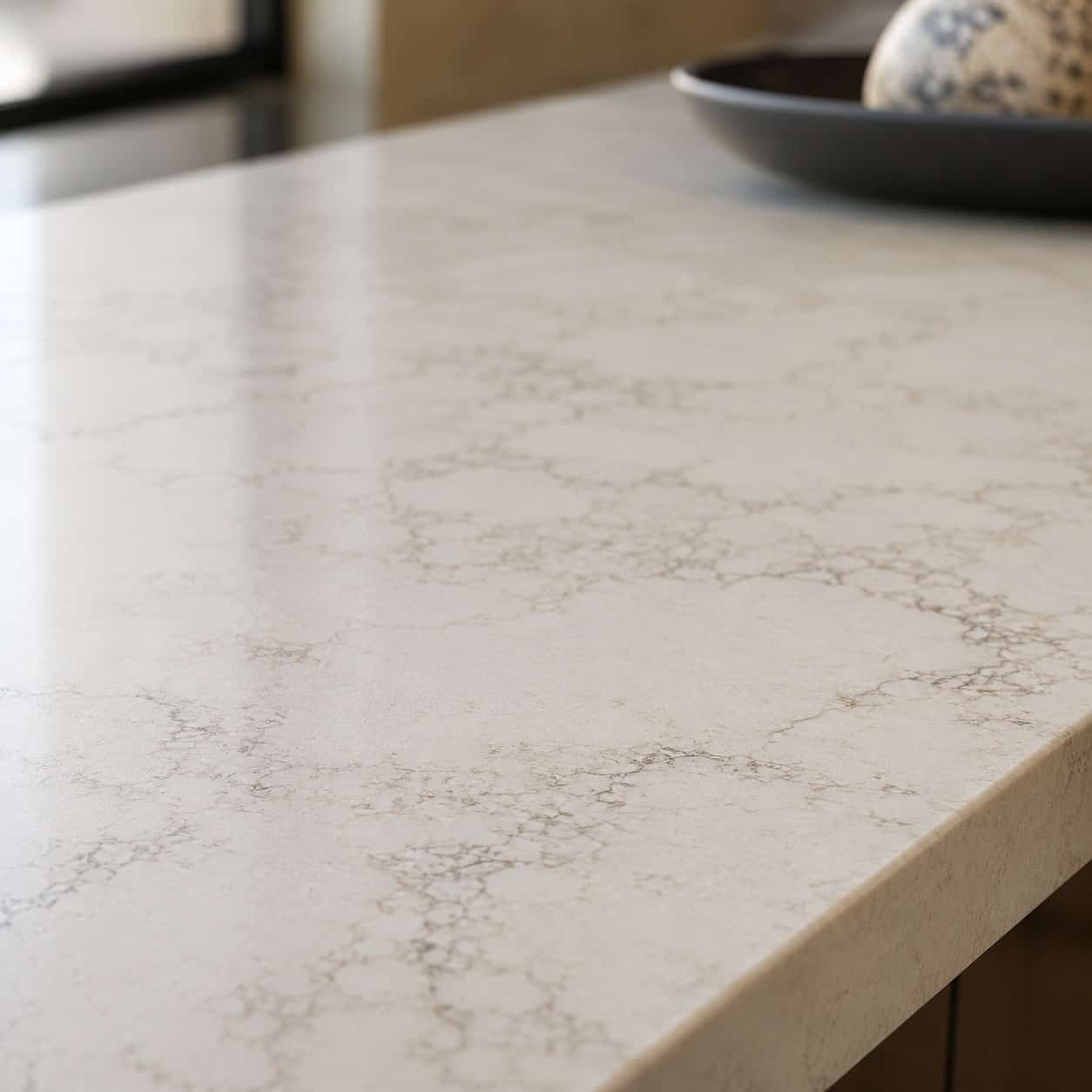
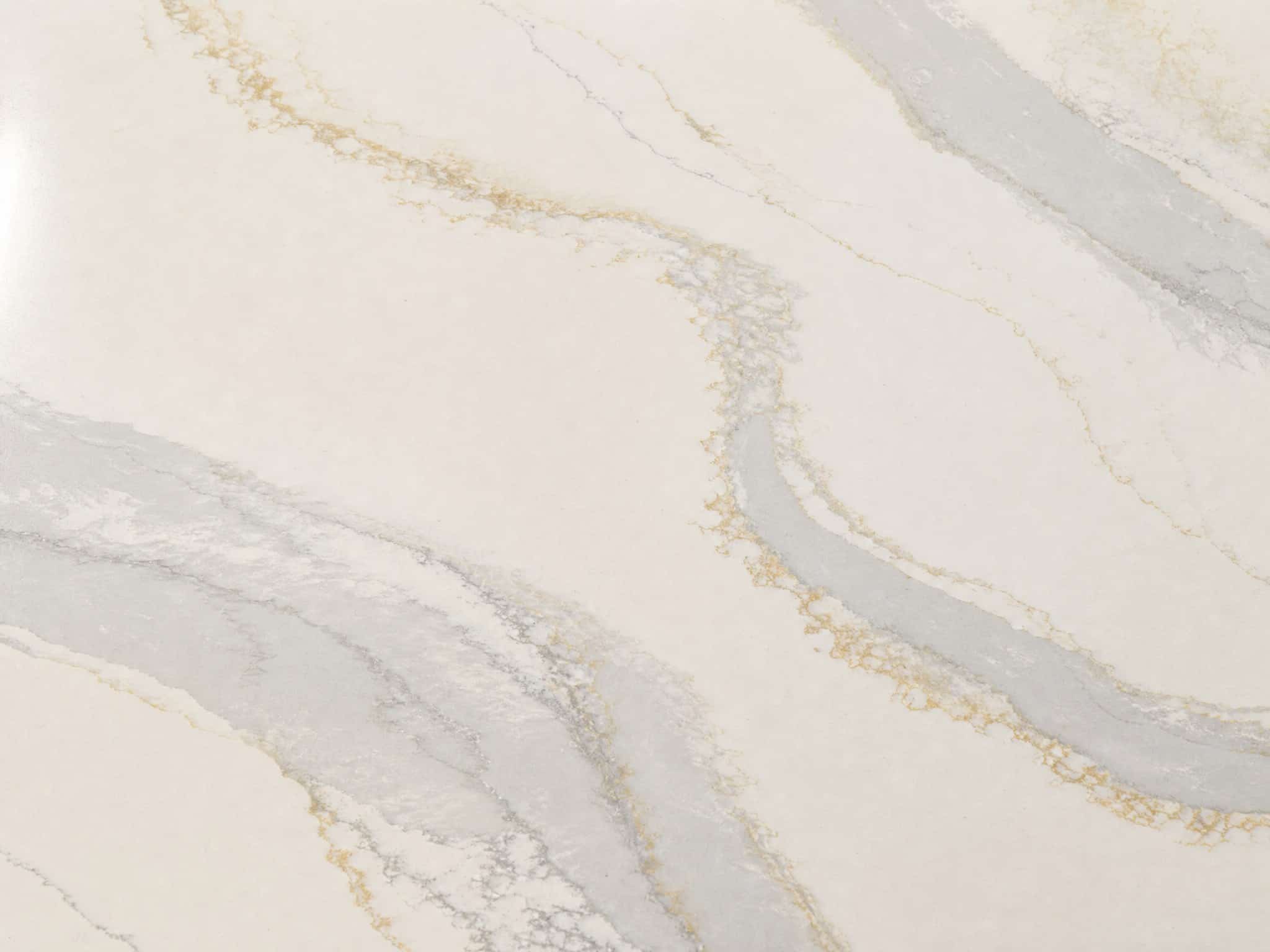
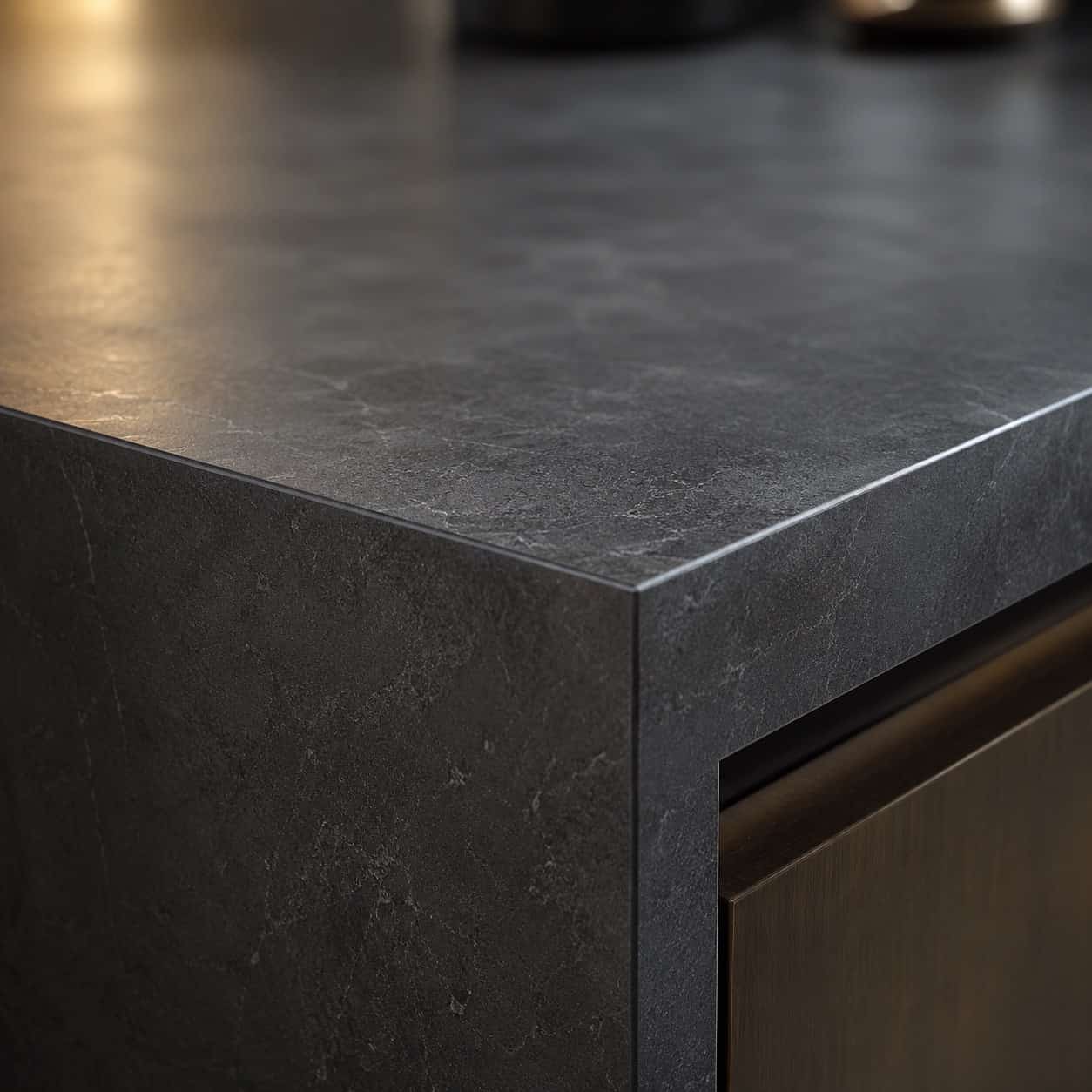
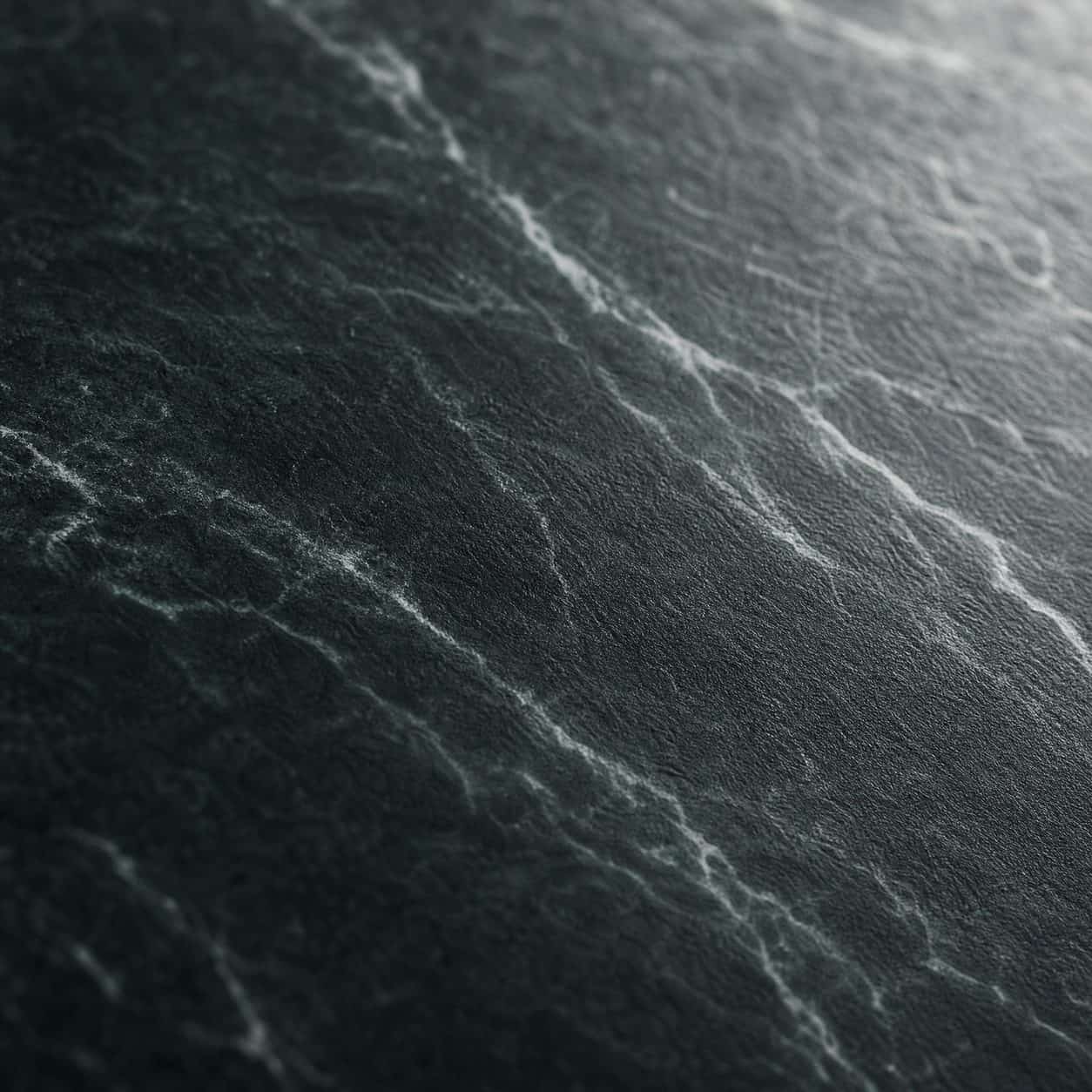
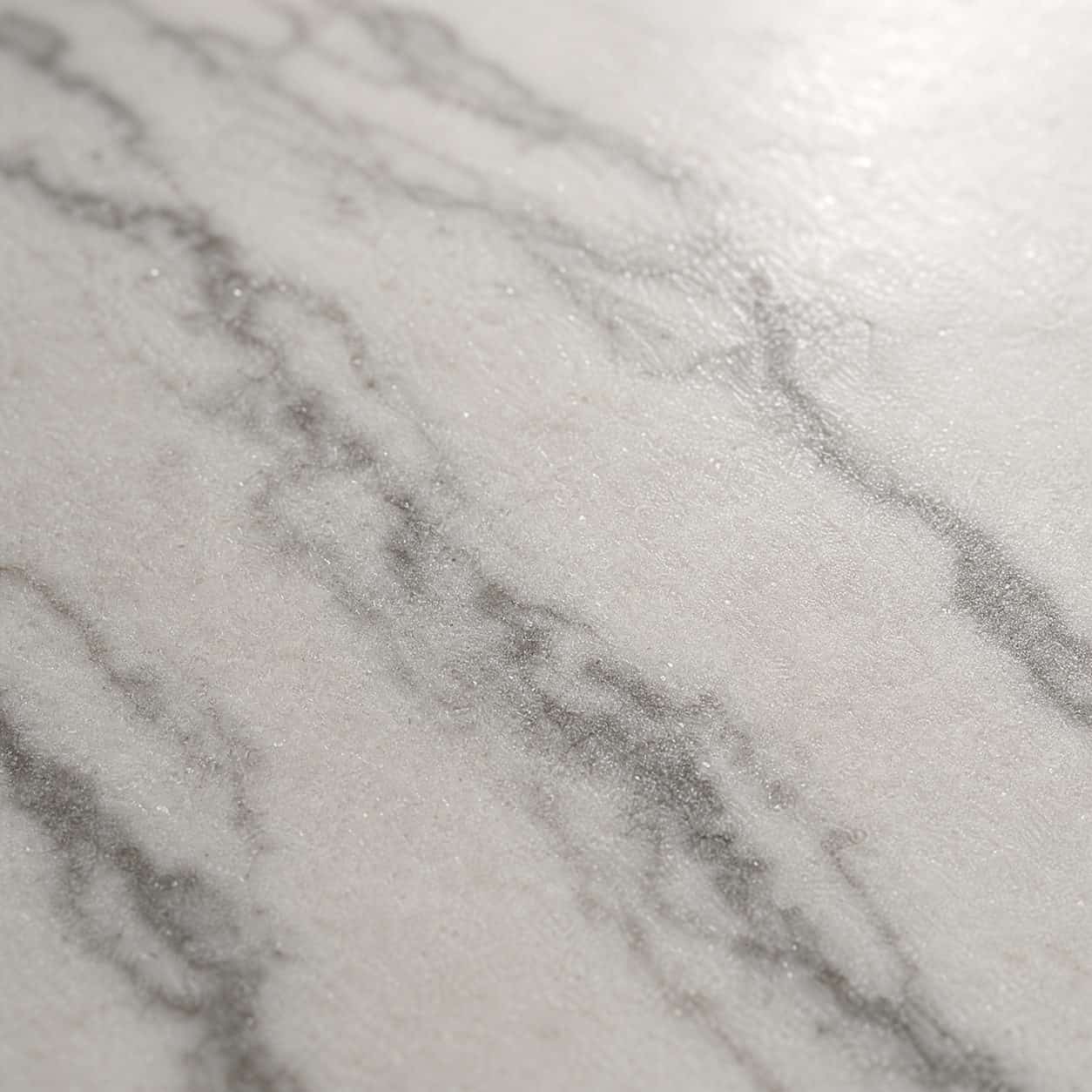
Seven materials side by side
Countertop materials for Las Vegas homes
The countertop materials most Las Vegas homes choose between are quartz, quartzite and granite. Caesarstone and Cambria are the engineered quartz brands we’re certified on, and Dekton is the one made to sit in direct sun. The right choice depends on where the countertop goes and how much desert heat it has to handle. Below are all seven materials Calder fabricates, grouped by where each holds up best, so you can narrow the list before you start a quote.
Match to your project
Which countertops hold up in a Las Vegas summer
Some countertop materials can’t take full sun and a 110-degree afternoon. Quartz fades outdoors, so it stays indoors. Granite, quartzite and Dekton keep their color and structure in direct heat, and they handle most of the outdoor and fireplace work in the valley.
Indoor kitchens and bathrooms
Indoors you have the most options. Quartz, quartzite, granite, Caesarstone and Cambria all do well on a kitchen island or a bathroom vanity. The choice usually comes down to look and hardness, and whether you want the consistent pattern of an engineered surface or the one-of-a-kind movement of natural stone.
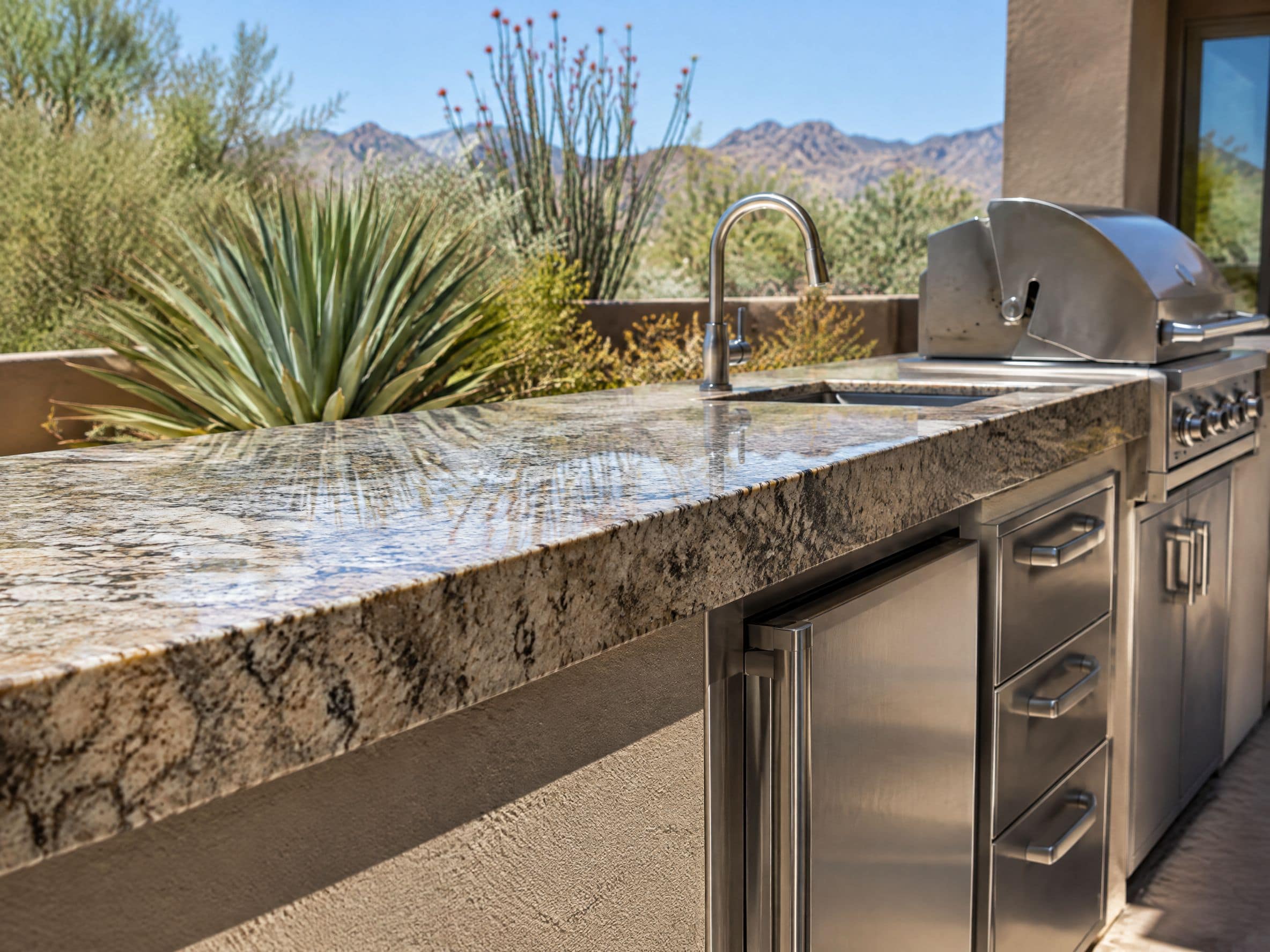
Outdoor kitchens and BBQ surrounds
Outdoors the list is much shorter. Granite and Dekton are the two materials that can sit in direct Las Vegas sun without fading or breaking down over time.
Fireplaces and feature walls
A fireplace surround or a full-height feature wall looks best in a slab with real movement. We usually recommend granite, quartzite or Dekton here. They handle steady heat close to a firebox, and they have none of the resin that keeps engineered quartz away from it.
Compare
Each countertop material, one at a time
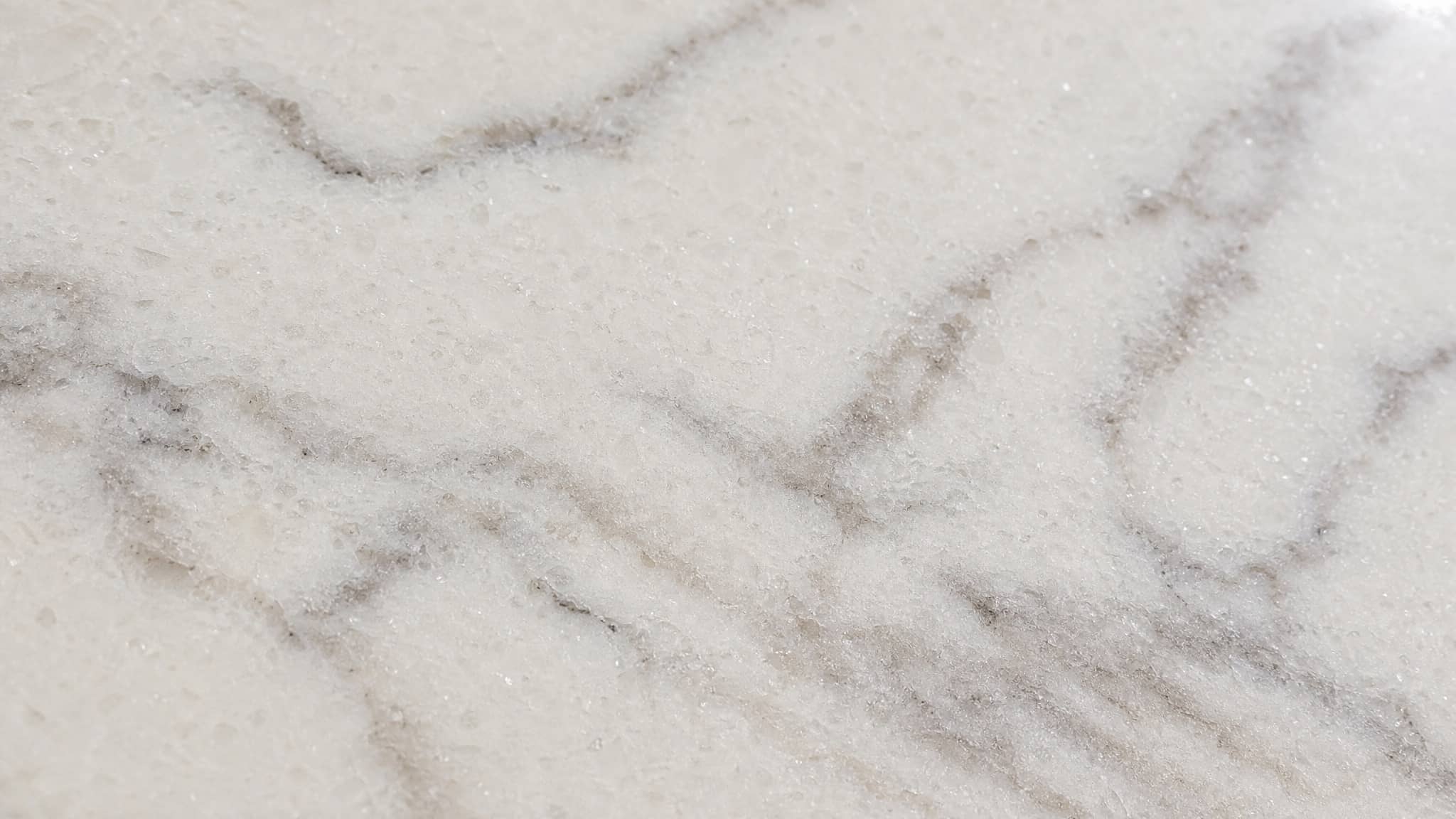
Quartz
Engineered quartz comes in more colors and patterns than any other surface we cut, and it never needs sealing because spills wipe off the resin-bound surface. Sun is its weak point. Quartz fades outdoors, so it belongs indoors, in kitchens, bathrooms and fireplace surrounds. Read more about quartz countertops.
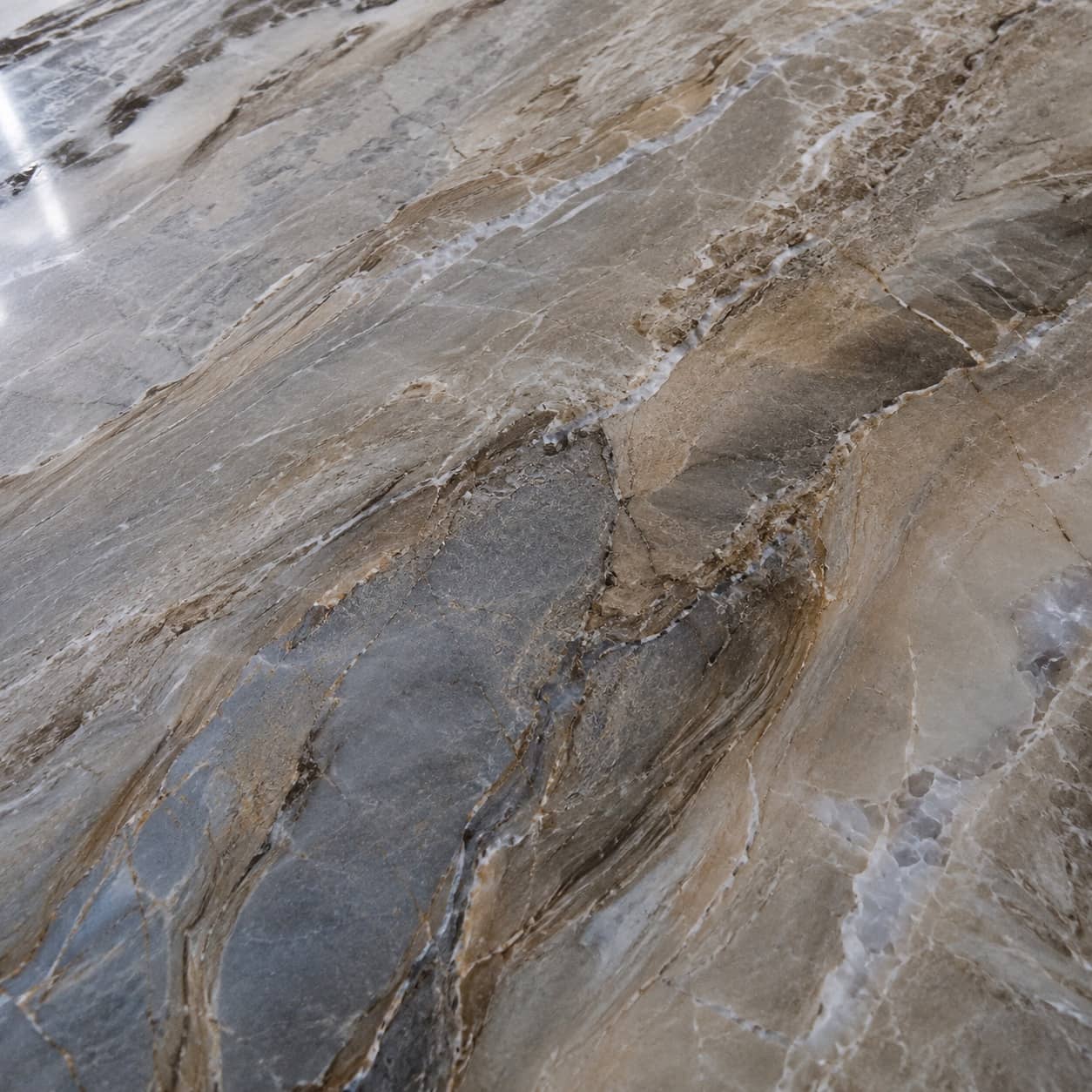
Quartzite
Quartzite is a natural stone quarried from the ground, and a different material from engineered quartz despite the similar name. It is harder than granite and won’t stain from a spilled glass of red wine. It looks like marble and is far tougher. Read more about quartzite countertops.
Granite
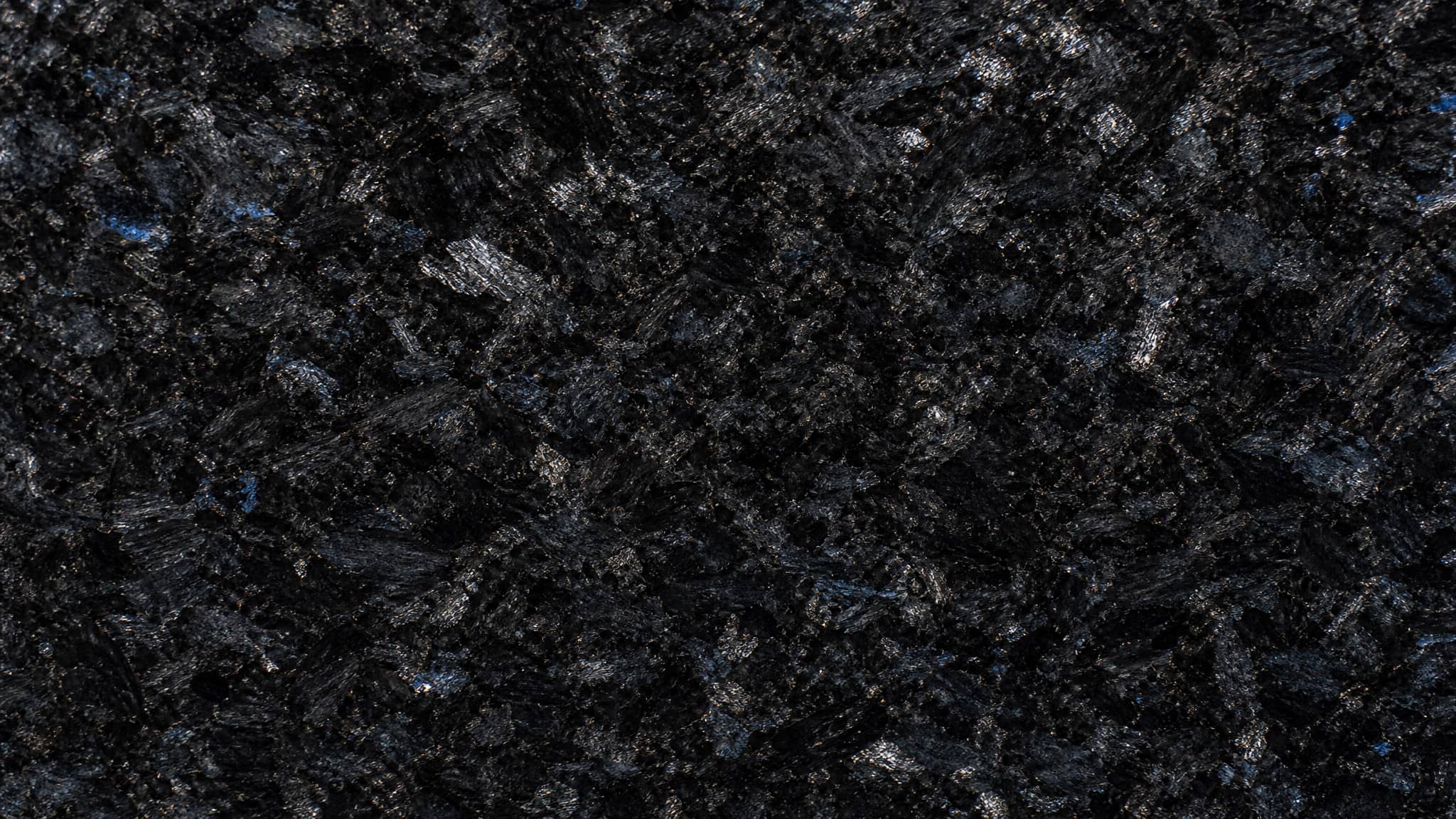
Granite has been the standard for decades because it takes a hot pan straight off the stove and holds up outdoors in the Las Vegas heat. It needs an occasional reseal, and with that care it lasts for decades. Read more about granite countertops.
Caesarstone
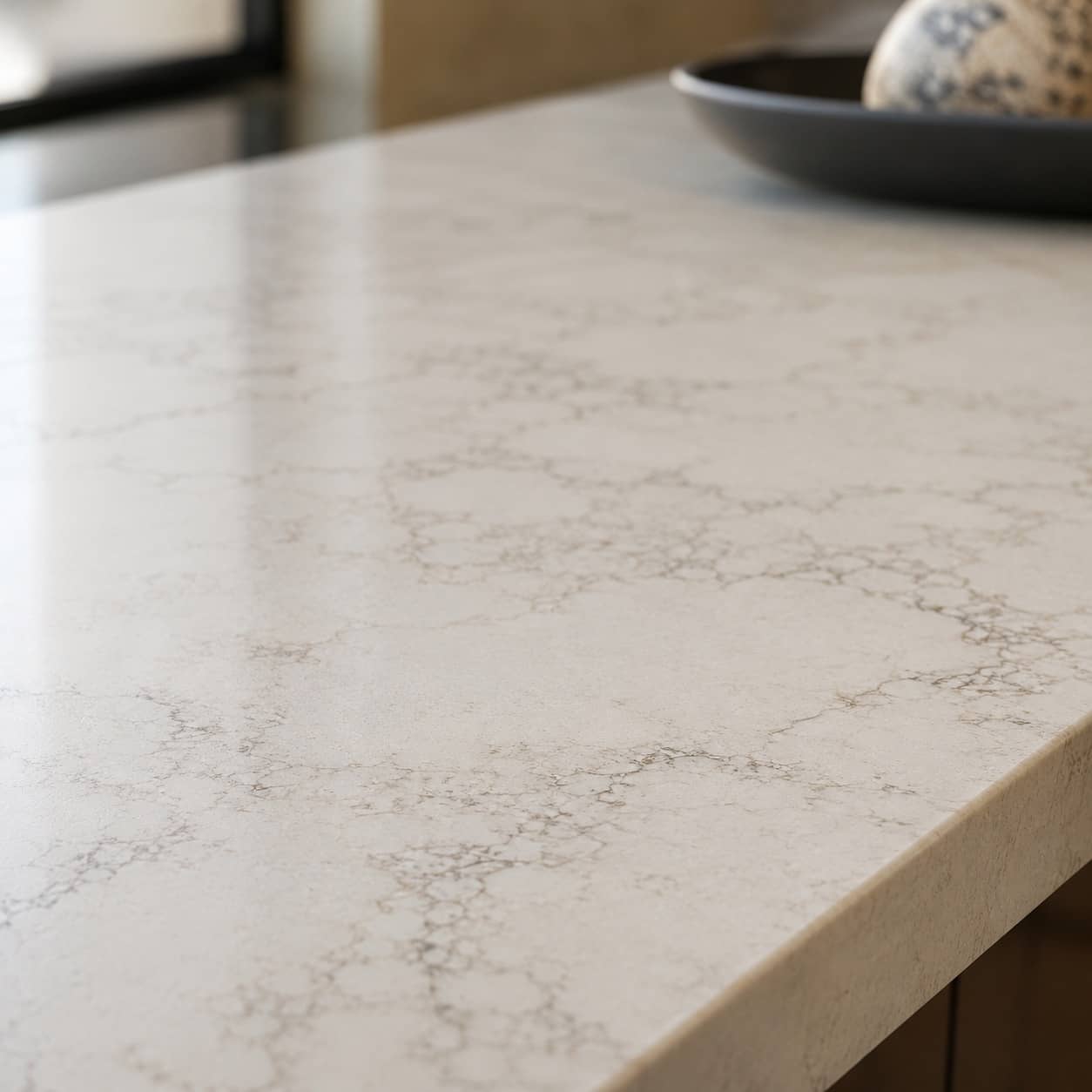
Caesarstone is one of the top engineered quartz brands. Its lifetime warranty stays intact only when a certified shop does the fabrication, and Calder is Caesarstone certified. Read more about Caesarstone countertops.
Cambria
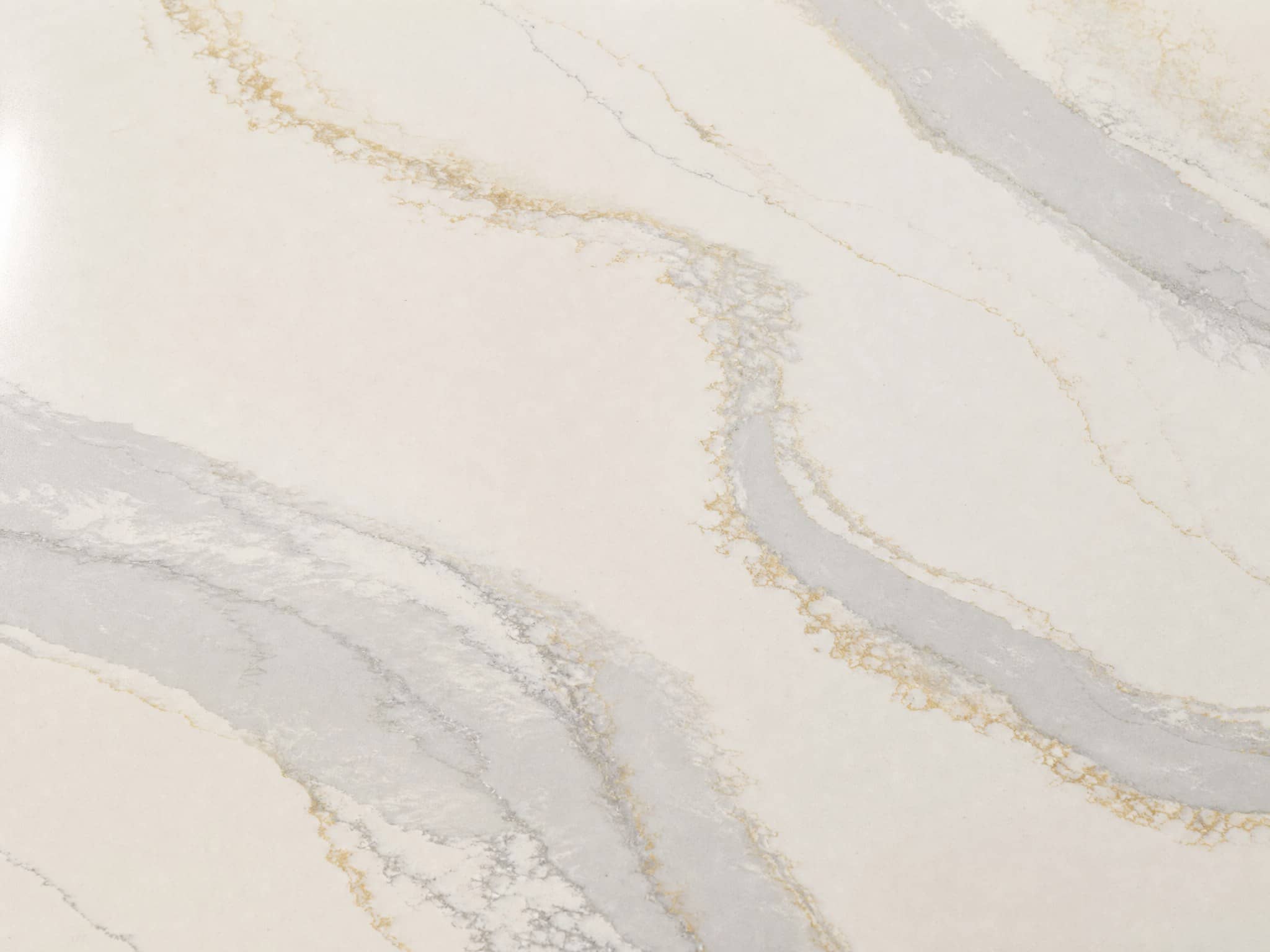
Cambria is the other engineered quartz brand Calder is certified on. It is durable and low maintenance like Caesarstone, and its warranty is also protected when a certified shop installs it. Read more about Cambria countertops.
Dekton
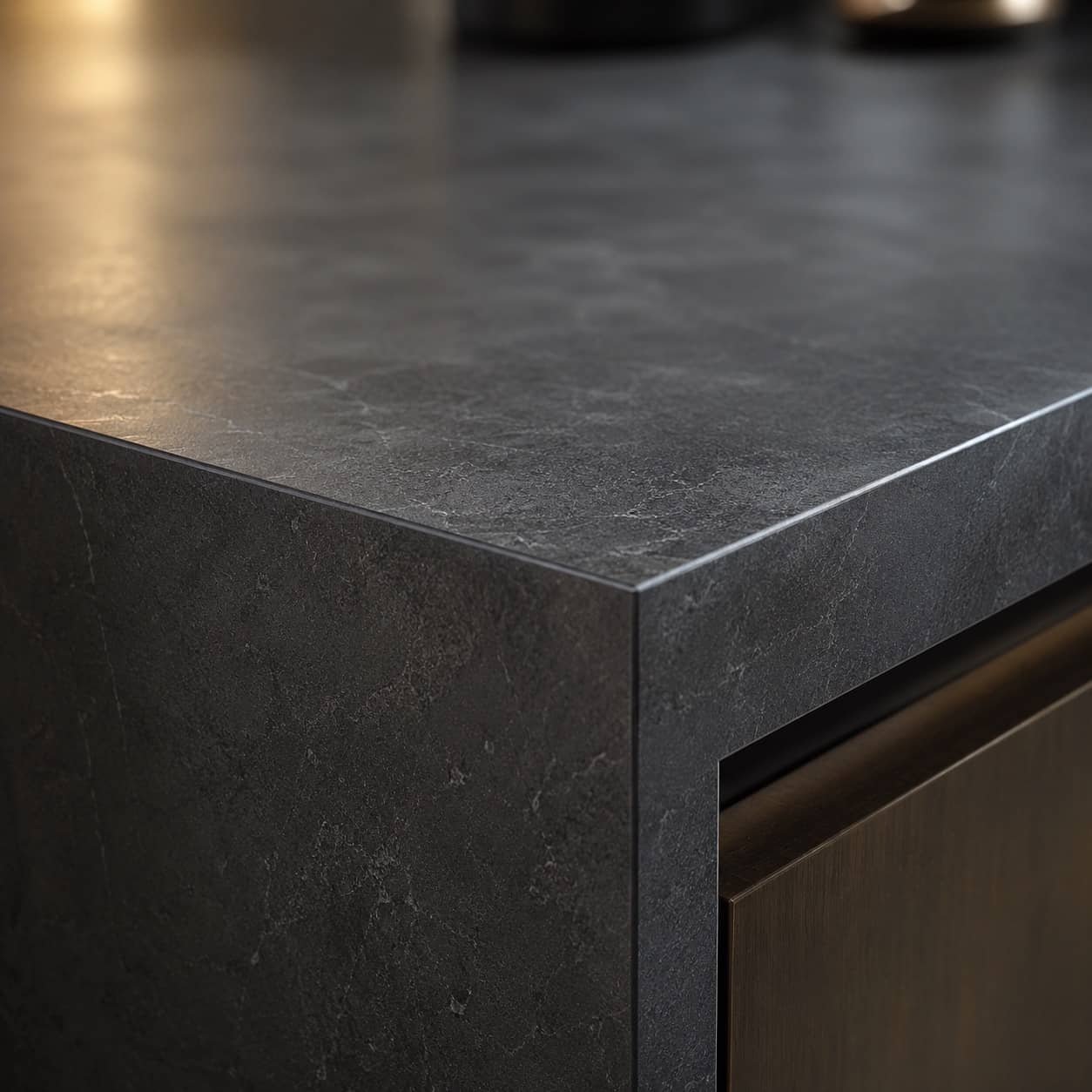
Dekton is made to handle the Vegas sun. It resists fading outdoors and is hard enough that most shops can’t cut it without burning through their blades. Calder has the right blades, machinery and equipment to fabricate Dekton. Read more about Dekton countertops.
Other materials
Solid surface, soapstone, dolomite and remnant work cover smaller projects, secondary spaces, or a look the materials above don’t offer. See other materials.
One shop
We cut every material on this page
Every material above is laser-measured for a precise fit, cut on the same five-axis bridge saw in our Henderson shop, and installed by the crew that fabricated it. That goes for engineered quartz and for natural stone straight out of the ground. See how our fabrication shop works. If you’re choosing materials for a client’s home instead of your own, our trade and designer program explains how we work with designers.
Answers
Questions about countertop materials
- Which countertop material is best for a Las Vegas kitchen?
- For an indoor kitchen, quartz, quartzite, granite, Caesarstone and Cambria are all good choices, so no single material is best for everyone. Most homeowners decide on look and hardness first, then check that the material suits how they use the kitchen, from hot pans to knife work at the island.
- Can any of these materials go outdoors?
- Granite and Dekton are the usual outdoor choices because they handle direct Las Vegas sun and summer heat. Quartz fades outdoors and should stay inside. Quartzite can work outdoors depending on the slab. Its porosity varies from slab to slab, so we check each one before we recommend it for an outdoor project.
- Do I have to seal my countertop?
- It depends on the material. Quartz never needs sealing. Granite and quartzite are natural stone, so they need an occasional reseal to keep resisting stains over time.
Specifying for a client? Visit our trade page.